Why You Shouldn’t Ignore Pain After a Car Accident

Why You Shouldn’t Ignore Pain After a Car Accident

🚗 The Crash Is Over—But Why Are You Still in Pain?

Even after a minor fender-bender, your body absorbs a surprising amount of force. Many patients walk away from an accident feeling “shaken but okay” — only to develop pain, stiffness, or headaches in the days or weeks that follow.

If that sounds familiar, you’re not alone.

At Chiropractic Specialists, we regularly see patients dealing with the lingering effects of car accidents. Whether it’s whiplash, back pain, nerve irritation, or muscle tension, these injuries are real—and treatable.

🧠 Why Symptoms Don’t Always Show Up Right Away

After a collision, your body enters a state of high alert—flooded with adrenaline, which can mask pain temporarily. Once the stress hormones fade, symptoms may begin to surface:

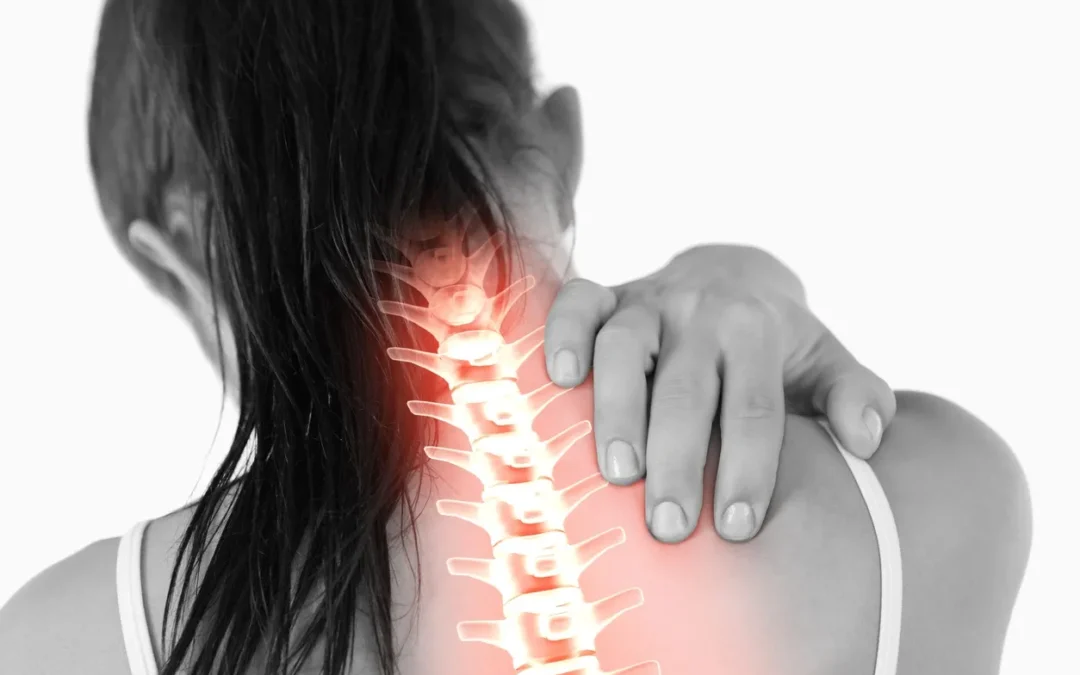
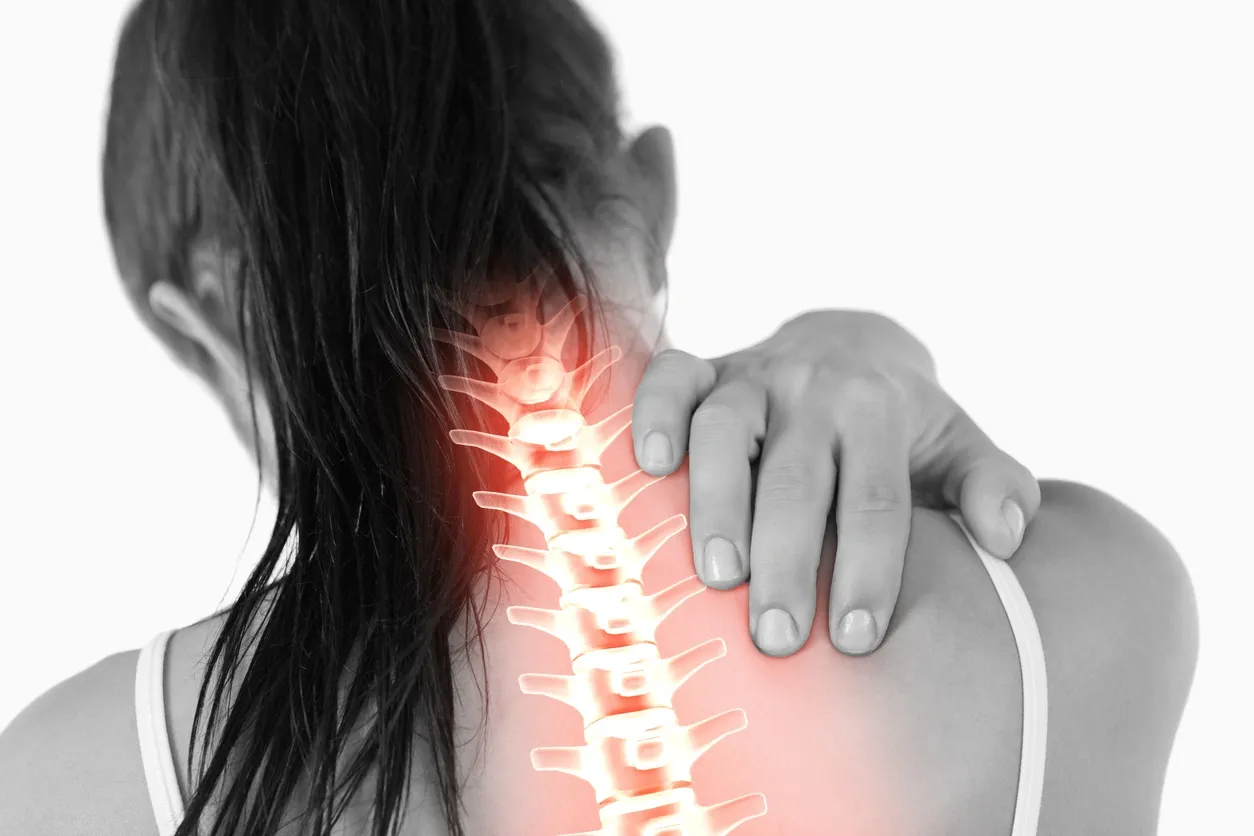
  • Neck pain or stiffness
  • Headaches (especially at the base of the skull)
  • Lower back pain
  • Shoulder or upper back tightness
  • Dizziness or brain fog
  • Pain radiating down the arms or legs

Even low-speed impacts can disrupt normal joint motion, strain soft tissues, and affect the alignment of your spine.

👐 What Makes Chiropractic Care Different

Many patients come to us after trying pain medication, muscle relaxers, or even injections—often with only temporary relief. Our approach is different.

We focus on identifying and correcting the root cause of your pain, not just masking the symptoms.

Your treatment plan may include:
✅ Gentle chiropractic adjustments
✅ Soft tissue therapy to reduce muscle tension and inflammation
✅ Targeted rehab exercises to restore mobility and strength
✅ Education on posture, movement, and self-care strategies for lasting results

📈 The Sooner You Start, the Better the Outcome

Delaying care can make symptoms worse—and harder to treat. Scar tissue can form, joints can stiffen, and muscle imbalances can become chronic.

Early treatment helps reduce inflammation, support your body’s natural healing process, and prevent long-term complications.

🙋‍♀️ Real Patients, Real Results

We’ve helped hundreds of patients regain their mobility, get back to work and family activities, and finally feel like themselves again—after weeks or even months of frustration.

Many say the same thing:
“I wish I had come in sooner.”

📅 Been in a Car Accident? Let’s Talk.

If you’ve recently been in a motor vehicle accident—even if you walked away feeling okay—don’t wait for symptoms to take over your life. A short consultation can help identify any underlying issues and set you on the path to true recovery.

Click below to schedule an appointment 
Or call us at (952) 594-5955
Comments

Text Neck: A Modern Spine Challenge

Text Neck: A Modern Spine Challenge

Protect Your Neck!

Are You Suffering from Text Neck?

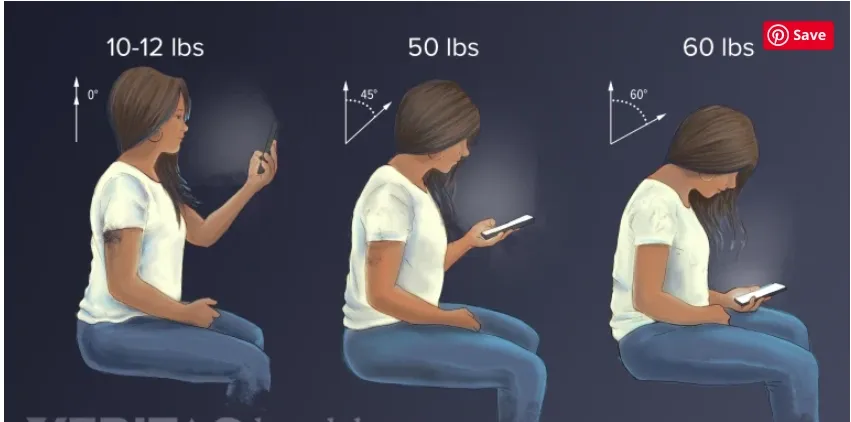
Do you spend hours looking down at your phone, tablet, or computer? You may be at risk for Text Neck Syndrome, a modern condition caused by prolonged forward head posture while using electronic devices. This can lead to neck pain, stiffness, headaches, and even long-term spinal issues.

Signs & Symptoms of Text Neck

 ✔️ Persistent neck and shoulder pain
✔️ Stiffness and reduced range of motion
✔️ Frequent headaches
✔️ Upper back pain or muscle spasms
✔️ Numbness or tingling in arms and hands

How Text Neck Affects Your Spine

For every inch your head tilts forward, it adds 10 pounds of extra pressure on your spine! Over time, this can lead to disc compression, misalignment, and chronic discomfort.

Prevention & Relief Tips

 ✅ Keep Screens at Eye Level: Raise your phone or monitor to eye height to maintain proper    posture.
Take Frequent Breaks: Every 20-30 minutes, stretch and reset your posture.
Strengthen & Stretch: Neck and upper back exercises can help improve posture and reduce strain.
Chiropractic Care: Regular adjustments can correct misalignment and alleviate pain.
Use Ergonomic Accessories: Invest in a supportive chair, ergonomic keyboard, and proper desk setup.

We Can Help!

At Chiropractic Specialists, we specialize in relieving neck and spine discomfort caused by modern technology use. Schedule a consultation today to get personalized care and restore your spinal health!

Comments

Understanding Pain Relief and Chiropractic Care

Understanding Pain Relief and Chiropractic Care

Understanding Pain Relief and Chiropractic Care

The Anatomy of Pain: More Than Just a Sensation

Pain is a complex neurological experience involving intricate communication between nerve cells, the spinal cord, and the brain. When tissue damage or potential injury occurs, specialized nerve receptors called nociceptors send electrical signals through neural pathways, triggering our perception of pain.

Chiropractic Adjustments: Precision and Science

Chiropractic care represents a targeted approach to pain management, focusing on the relationship between the spine’s structural alignment and the body’s neurological functioning. Key scientific principles underlying chiropractic adjustments include:
  • Biomechanical Restoration: Precise manipulations realign vertebrae, reducing joint restrictions and improving overall mobility
  • Neurological Modulation: Adjustments can help reset neural signaling pathways, potentially interrupting chronic pain cycles
  • Inflammation Reduction: Specific techniques may decrease localized inflammatory responses

Research-Backed Benefits

Multiple peer-reviewed studies have demonstrated chiropractic care’s effectiveness:
  • 94% of patients reported pain reduction after spinal manipulations
  • 80% of chronic lower back pain sufferers experienced significant symptom improvement
  • Neuroimaging studies show measurable changes in brain activity following chiropractic treatments

Understanding the Mechanisms

Neurological Responses

Chiropractic adjustments trigger:
  • Increased pain threshold
  • Enhanced proprioceptive signaling
  • Reduced muscle tension
  • Improved nervous system communication

Biochemical Changes

Treatments can stimulate:
  • Endorphin release
  • Decreased inflammatory markers
  • Improved local blood circulation

Holistic Pain Management Strategies

While chiropractic care offers significant benefits, comprehensive pain management often requires:
  • Regular physical activity
  • Proper nutrition
  • Stress management techniques
  • Consistent sleep patterns

Future of Pain Treatment

Emerging research continues exploring neuroplasticity’s role in pain perception, suggesting chiropractic approaches may fundamentally reshape how we understand and treat chronic pain.

Comments