
Intercostal Neuritis
Symptoms, Causes, and How to Find Relief
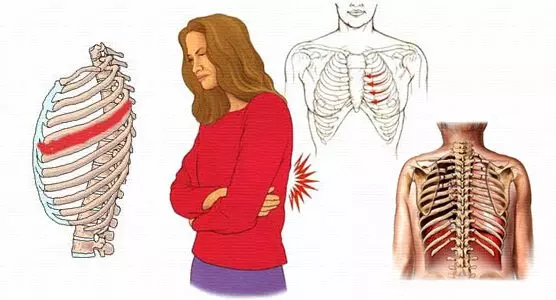
Intercostal neuritis is the inflammation or irritation of the nerves situated between your ribs. It often causes a sharp, shooting, or burning chest pain that can make everyday movements, and even breathing, feel incredibly uncomfortable.
How Does Intercostal Neuritis Feel?
- Sharp or Shooting Pain: A sudden, intense pain that wraps around the ribs, chest, or upper back.
- Squeezing Sensation: An aching feeling that mimics a tight band wrapping securely around your chest.
- Pain with Movement: Discomfort that noticeably worsens when you take a deep breath, cough, laugh, or stretch.
- Sensitivity: Tingling, numbness, or extreme sensitivity to touch in the affected area along the ribs.
Common Causes of Intercostal Neuritis
This condition may occur due to several reasons, including:
- Viral Infections: Conditions like shingles (herpes zoster) can directly attack these nerves and cause lasting inflammation.
- Trauma or Injury: A direct blow to the chest, a rib fracture, or a recent surgery in the chest area can damage or irritate the intercostal nerves.
- Nerve Compression: Pinched nerves resulting from a pulled chest muscle, poor posture, or underlying spinal misalignment can put pressure on the nerves along the ribs.
- Overuse and Strain: Repetitive twisting or heavy lifting that heavily strains the chest, back, or abdominal muscles can lead to progressive nerve irritation.
Diagnosis and Treatment
A healthcare provider will typically diagnose intercostal neuritis by reviewing your medical history and performing a physical exam, carefully feeling around your ribs to locate the source of the pain. They will ask about your symptoms and may also order imaging tests, like an X-ray, to rule out other structural issues such as rib fractures.
Treatment often begins with conservative methods like:
- Chiropractic Care: Gentle spinal adjustments and rib mobilizations can help relieve pressure on pinched nerves, restore proper alignment, and reduce overall pain.
- Physical Therapy & Stretching: Targeted exercises can improve posture, strengthen supporting muscles, and take the daily strain off the affected nerves.
- Ice or Heat Therapy: Alternating cold packs to numb sharp pain and heating pads to relax tight muscles can provide immediate, temporary relief.
- Medications: Over-the-counter anti-inflammatories or specific nerve pain medications prescribed by a doctor can help manage deep inflammation and daily discomfort.
Ready to Find Relief?
Call 952-594-5955 or schedule your appointment online to recover faster and move better.