
Thoracic Outlet Syndrome
Symptoms, Causes, and How to Find Relief
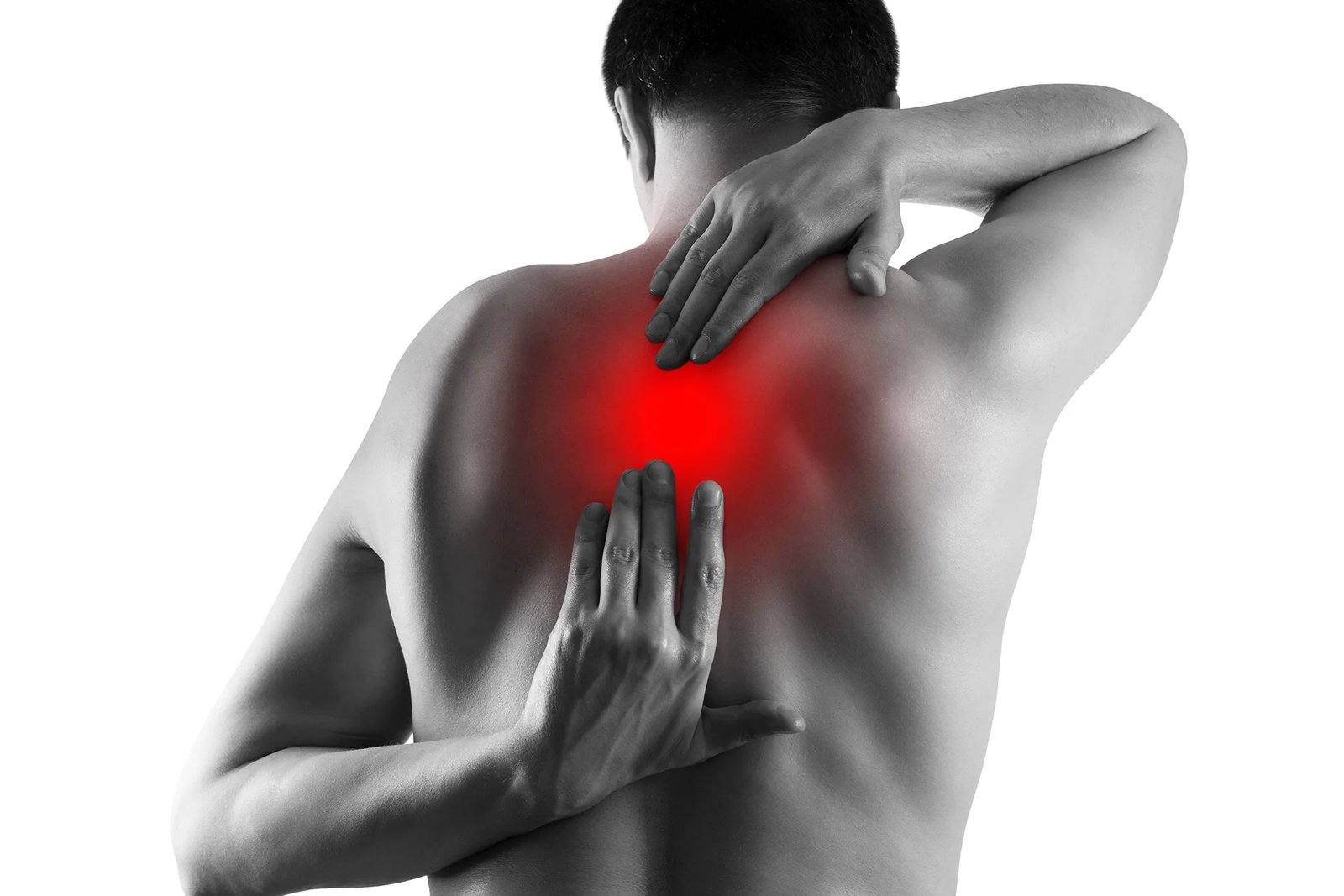
How Does Thoracic Sprain/Strain Feel?
- Aching or Stabbing Pain: A sudden or dull pain in the middle of the back that worsens when you move, bend, or twist.
- Muscle Spasms: Sudden, involuntary, and sometimes severe tightening or cramping of the back muscles.
- Stiffness: A noticeable decrease in your range of motion, making it difficult to sit up straight or look over your shoulder.
- Pain with Breathing: Discomfort that noticeably flares up when taking a deep breath, coughing, or sneezing due to the muscles pulling on the ribcage.
Common Causes of Thoracic Sprain/Strain
This condition may occur due to several reasons, including:
- Heavy Lifting: Improper lifting techniques, especially while twisting the back or holding a heavy object away from the body, can overstretch mid-back muscles and ligaments.
- Sudden Trauma: Whiplash, falls, or sports collisions that suddenly jolt the spine out of its normal range of motion and tear soft tissues.
- Repetitive Movements: Repeatedly swinging, reaching, or pulling over time (such as in golf, tennis, or certain manual labor jobs) can gradually wear down and strain the muscles.
- Postural Strain: Prolonged slouching over a computer, desk, or steering wheel can place continuous, uneven stress on the muscles of the upper and mid-back, leaving them vulnerable to injury.
Diagnosis and Treatment
A healthcare provider will likely diagnose a thoracic sprain or strain through a physical exam, feeling the muscles of your mid-back for swelling, spasms, and tenderness. They will also assess your range of motion and may ask about recent physical activities or accidents. Imaging tests, like X-rays, are sometimes ordered to rule out more severe issues such as rib or spinal fractures.
Treatment often begins with conservative methods like:
- Chiropractic Care: Gentle spinal adjustments and soft tissue therapies can help restore proper alignment, reduce muscle tension, and promote faster healing in the mid-back.
- Ice or Heat Therapy: Applying ice during the first 48 hours can reduce initial swelling and numb acute pain, while heat therapy applied later can relax tight muscles and bring healing blood flow to the injured tissues.
- Rest and Activity Modification: Briefly avoiding the specific activities that triggered the pain allows the damaged muscles and ligaments time to heal without further aggravation.
- Stretching & Strengthening: Once the initial pain subsides, targeted exercises can help rebuild muscle support, improve flexibility, and prevent future sprains or strains.
Ready to Find Relief?
Call 952-594-5955 or schedule your appointment online to recover faster and move better.